Strategy Before the Dream Kitchen
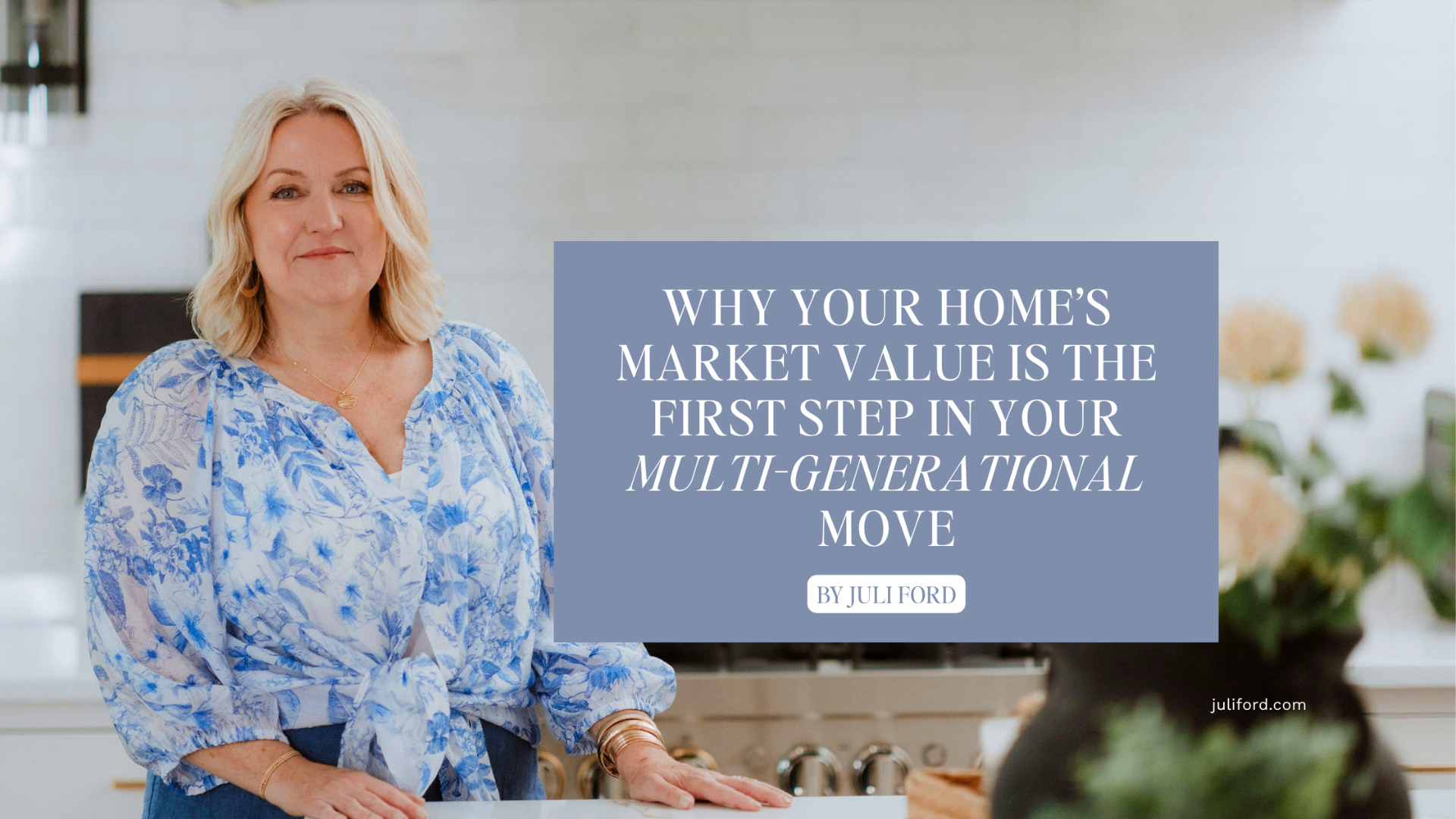
Before you spend another afternoon scrolling through listings for homes with dream island kitchens or spacious primary suites, let’s talk strategy. When you are planning a move—specifically a complex transition into a multi-generational home—the first step isn't touring new properties. It is establishing a clear understanding of the true market value of your current residence.
A Professional Market Analysis (PMA) provides more than just a number; it provides the data necessary to coordinate multiple households. This single figure serves as the foundation for your family’s next chapter on the South Shore.
Key Takeaways for Multi-Generational Planning
- Budget Accuracy: Your home value dictates your actual purchasing power for a larger property.
- Equity Utilization: Knowing your net proceeds helps fund essential renovations like in-law suites or ADUs (Accessory Dwelling Units).
- Strategic Timing: A valuation determines if you have the liquidity to buy before you sell.
- Wealth Preservation: Understand if keeping your current home as a rental is a viable long-term investment.
Why a Valuation is Your Most Powerful Strategic Tool
In my experience working with families across Hingham, Norwell, and Scituate, I have seen buyers fall in love with a new property only to realize later that the financial numbers do not align with their expectations. A professional valuation isn't a formality; it’s the key to unlocking your family's options.
Defining Your Purchasing Power
Multi-generational homes often require a larger footprint or specific layout configurations. By knowing your current home's market value, you can define exactly what you can afford in towns like Cohasset or Duxbury without overextending your budget.
Leveraging Home Equity
Your equity is a powerful resource. A precise valuation shows you how much capital you can put toward a down payment or use for a custom remodel. In towns like Hanover and Marshfield, where older homes may need updates to accommodate senior family members, this "hidden" capital is often the catalyst for the move.
Exploring Real Estate Alternatives
Does it make sense to sell, or should you keep your current property? For families moving to larger estates in Plymouth or Weymouth, your existing home might serve as a lucrative rental property. Understanding its value and potential rental yield can help you build long-term family wealth.
Refining Your Selling Strategy
Market value clarifies your timeline. It helps determine whether you have the financial flexibility to move first and sell later, or if your purchase in a competitive market like Quincy or Braintree depends on a "subject to sale" contingency.
"Taking this one step—knowing your home’s true market value—can save you immense time, stress, and heartache during the buying process."
Plan Your Move with Confidence
Generic online estimates use broad algorithms and often miss the nuances of specific neighborhoods or recent upgrades. If you want a clear, personalized picture of what your home could sell for in today’s South Shore market, I offer complimentary home value reviews to help you plan with confidence.
Schedule a call with me to get started at juliford.com/consult or fill out this quick form and I’ll get right back to you.
For more resources on planning your family's future, visit juliford.com/multi-gen or listen to real estate strategies on the Home After 50™ podcast at juliford.com/podcast.
Let's build your family's legacy on a solid financial foundation.
Frequently Asked Questions
Why is a professional valuation better than an online estimate?
Online estimates use automated valuation models (AVMs) that cannot account for your home's unique condition, recent interior upgrades, or the specific hyper-local demand in South Shore neighborhoods. A professional review provides a more accurate reflection of what local buyers are actually willing to pay.
How does my home value affect my ability to build an ADU?
The market value of your home determines your available equity, which is often used to secure financing for an Accessory Dwelling Unit (ADU) or an in-law suite. Knowing your value ensures you aren't "over-improving" for your specific street while providing the funds to make the home move-in ready for aging parents.
Should I sell my home before buying a multi-generational property?
This depends on your net equity and the current inventory in the South Shore market. A valuation allows your Realtor to run a "net sheet," showing you exactly how much cash you will have on hand, which helps determine if you can buy with a bridge loan or if a home sale contingency is necessary.
Looking for further resources?
Free Multi-Gen Guides & Toolkit: Floor plan guide, family conversation scripts, and financial checklists — all in one place. juliford.com/multi-gen.
Workshops & Events: Join live sessions on multi-generational living, financing options, and family home strategy. juliford.com/events.
Book a Home & Family Strategy Session: Personalized guidance on buying, renovating, or structuring a multi-generational home. juliford.com/consulting.

About the Author
Juli FordFounder of Home After 50 · CSA · Licensed Real Estate Broker
Juli Ford is the founder of Home After 50, a nationally recognized multigenerational living expert, real estate broker, and Certified Senior Advisor® helping women and families reimagine home and life in the next chapter, together.
As featured in The New York Times, Newsweek, Business Insider and Fox & Friends.
Read More Blogs
Related Articles

Home After 50 | Multi-Gen Living
5 Money Talks Every Multigenerational Home Should Have Before the Holidays (Ranked Easiest to Hardest)

Home After 50 | Multi-Gen Living
Will Your Home Equity Pay For In-Home Care? What a New Study Found

Multigenerational Homes
Why Every Multigenerational Home Needs a "Roommate" Contract, Even Among Family
Credentials & Certifications
Trained. Certified. Trusted.