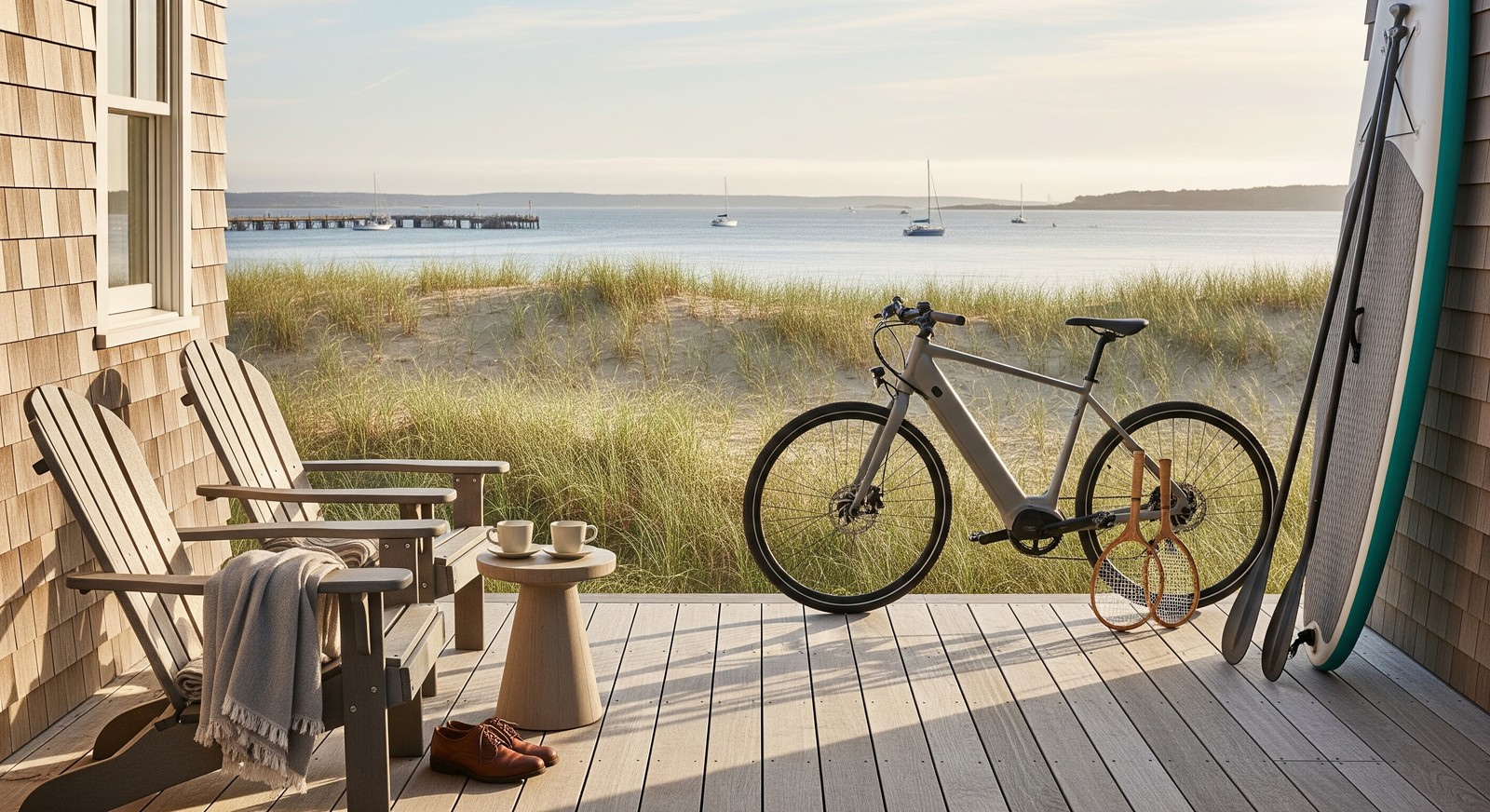
Are you picturing quieter mornings and fuller days without leaving the energy of Greater Boston behind? If you’re 50-plus and ready to right-size, the South Shore offers a coastal, small-town rhythm with easy access to culture, healthcare, and everyday comforts. In this guide, you’ll see what daily life really looks like for active empty nesters along the shore and just inland.
- Diverse Towns: Choose between walkable coastal hubs like Hingham or Scituate and convenient inland communities like Hanover.
- Accessibility: Multiple commuter rail and ferry lines provide stress-free access to downtown Boston.
- Top-Tier Care: The region is anchored by robust healthcare networks, specifically South Shore Health in Weymouth.
- Active Lifestyle: Abundant outdoor recreation ranges from the trails at World’s End to year-round beach walking.
Defining the South Shore Region
The South Shore describes the coastal region south of Boston, traditionally including communities like Quincy, Braintree, Weymouth, Hingham, Cohasset, Scituate, Marshfield, Duxbury, Kingston, and Plymouth. It also encompasses inland towns like Hanover, Norwell, and Rockland. While definitions vary, these towns share a regional identity defined by maritime history and suburban convenience.
For a detailed look at the local business landscape and community events, the South Shore Chamber of Commerce is an invaluable resource. To compare demographics or household characteristics as you narrow your search, the latest U.S. Census QuickFacts provides reliable, data-driven snapshots of each town.
The Daily Rhythm: A Day in the Life
Imagine starting your morning with a brisk walk along a harbor or through a compact town center to grab a craft coffee. Midday might include a visit to a local gallery, a fitness class, or a quiet hour at the library. Later, you could stroll a beach boardwalk or a conservation trail for fresh air before meeting friends for fresh seafood.
For those craving a "city night," the rhythm remains convenient. You can hop on a commuter rail or a scenic ferry to Boston for a show or dinner and be back in your own home the same evening. This balance of tranquility and accessibility is precisely why many empty nesters choose the South Shore.
Walkable Centers and Local Errands
Several towns are prized for their walkable town centers where cafes, independent boutiques, and professional services cluster together. Hingham, Duxbury, Cohasset, and Kingston are prime examples. In these hubs, you can often handle daily errands, visit a medical office, or go to the salon without ever needing to move your car.
Outdoor Recreation for Every Season
Beaches and Harbors
Waterfront living is the heartbeat of this region. You can enjoy the expansive views of Nantasket Beach in Hull, take year-round strolls on Duxbury Beach, or soak in the small-harbor vibes of Scituate and Cohasset. Plymouth’s historic waterfront offers a blend of scenery and monuments. Pro-tip: If you plan to visit town beaches frequently, research seasonal parking permits and resident passes early in the spring.
Parks and Conservation Trails
For those who prefer the woods to the waves, the South Shore offers diverse landscapes:
- World’s End (Hingham): Managed by The Trustees, offering carriage paths and stunning views of the Boston skyline.
- Wompatuck State Park: Spanning parts of Hingham, Norwell, and Cohasset, it features miles of multi-use trails perfect for biking and hiking.
- Local Gems: Many towns maintain "pocket parks" and waterfront promenades that make it easy to stay active year-round.
Boating and Maritime Living
Active boaters will find a wealth of marinas and yacht clubs. Whether you enjoy paddleboarding in a calm cove or deep-sea fishing, local harbormasters can guide you through the process of securing moorings or transient slips.
Community, Culture, and Social Connection
The South Shore is a hub for lifelong learning and cultural engagement. Plimoth Patuxet Museums in Plymouth anchor the region’s history, while Massasoit Community College offers continuing education and guest lectures designed for curious minds. Most towns also have robust Councils on Aging that curate full calendars of workshops, book groups, and fitness classes.
Volunteering is one of the most effective ways to build a local social network. Engaging with historical societies, conservation groups, or town committees often leads to deep friendships and a sense of belonging in a new community.
World-Class Healthcare Access
Proximity to quality medical care is a top priority for most empty nesters. The region is primarily served by South Shore Health, including the flagship South Shore Hospital in Weymouth. This network offers comprehensive services, from primary care to advanced imaging and urgent care. Additional regional hospitals serve the Plymouth and Brockton areas, ensuring that specialty care is never more than a short drive away.
Connecting to Boston
Commuting into the city is simple thanks to diverse transit infrastructure:
- Rail: The Kingston/Plymouth and Greenbush lines connect several towns directly to South Station.
- Ferry: Commuter boat services from Hingham and Hull offer a scenic and relaxing alternative to the highway.
- Road: Primary arteries include Route 3, I-93, and scenic Route 3A. During peak hours, budget 30 to 60+ minutes for a trip to downtown Boston.
Town Profiles: Choosing Your Perfect Fit
Hingham: Coastal and Scenic
Hingham is ideal for those who want a classic, high-end town center with excellent transit links. With World’s End and the Hingham Shipyard, it offers a blend of boutique shopping and natural beauty.
Scituate: Harbor-Centric Charm
Scituate is defined by its working harbor and lively community atmosphere. It is perfect for those who want a traditional seaside village feel with the convenience of the Greenbush commuter rail line.
Hanover: Practical Suburban Comfort
Located slightly inland, Hanover offers modern suburban convenience and easy access to Route 3. It is often a go-to for buyers seeking ranch-style homes or newer townhouse developments that offer lower maintenance than older coastal properties.
Choosing the Right Housing for Your Move
When "right-sizing," consider which lifestyle trade-offs work best for you:
- Condominiums/Townhouses: Ideal for "lock-and-leave" lifestyles with low exterior maintenance, though be mindful of HOA fees.
- Single-Floor Ranches: Offers the privacy of a single-family home without the burden of stairs, though the homeowner remains responsible for landscaping.
- 55-Plus Communities: Specifically designed for social engagement and accessibility, often featuring clubhouses and shared amenities.
Note on Coastal Property: If you are looking at homes near the water, always verify the current flood zone status via the FEMA Flood Map Service Center to understand potential insurance and maintenance costs.
Frequently Asked Questions
What towns make up the South Shore of Massachusetts?
The South Shore traditionally includes coastal towns from Quincy down to Plymouth, including Weymouth, Hingham, Cohasset, Scituate, Marshfield, Duxbury, and Kingston. It also includes several inland towns such as Norwell, Hanover, and Rockland that share the region's suburban and maritime identity.
Is the South Shore walkable for retirees and empty nesters?
Yes, several towns feature highly walkable centers where residents can access libraries, cafes, and healthcare on foot. Hingham Square, Cohasset Village, and Scituate Harbor are among the most popular centers for those looking to reduce their reliance on a car for daily errands.
How long is the commute from the South Shore to Boston?
Commute times vary by mode and town; the ferry from Hingham or Hull takes approximately 35–45 minutes to reach Rowes Wharf. The Commuter Rail typically takes 45–60 minutes, while driving via Route 3 can range from 30 minutes in light traffic to over an hour during peak morning hours.
What is the best way to socialise and meet neighbors in the area?
Many residents find connection through local Councils on Aging, which offer diverse programming, or by volunteering with organizations like historic societies or the North and South Rivers Watershed Association. Most towns also have active community theaters and arts centers that host year-round events.
Ready to take the next step?
Explore Resources & Guides: Planning a day out with three generations in tow? That's my specialty. Grab the free Multi-Generational Living Guide for support navigating life together, at every stage. Plus more guides, checklists, and tools for your next move. juliford.com/multi-gen.
Workshops & Events: Join live workshops and events on real estate, multi-generational living, and agent growth. juliford.com/events.
Book a Strategy Session: Let's map out a plan that fits your family and your timeline. juliford.com/consulting.

About the Author
Juli FordFounder of Home After 50 · CSA · Licensed Real Estate Broker
Juli Ford is the founder of Home After 50, a nationally recognized multigenerational living expert, real estate broker, and Certified Senior Advisor® helping women and families reimagine home and life in the next chapter, together.
As featured in The New York Times, Newsweek, Business Insider and Fox & Friends.
Read More Blogs
Related Articles

Home After 50 | Multi-Gen Living
5 Money Talks Every Multigenerational Home Should Have Before the Holidays (Ranked Easiest to Hardest)

Home After 50 | Multi-Gen Living
Will Your Home Equity Pay For In-Home Care? What a New Study Found
Multigenerational Homes