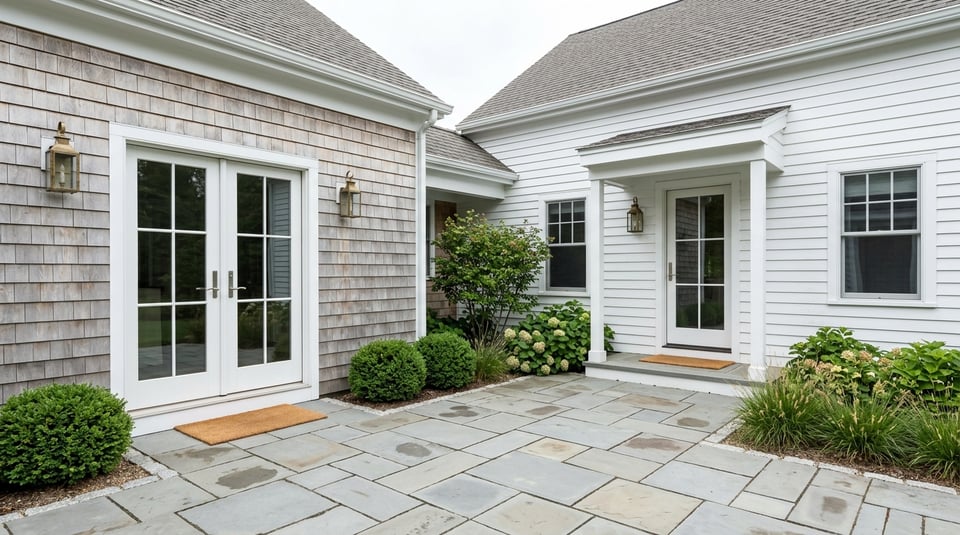
Explore whether renovating or moving is best for multi-generational living on the South Shore, with practical guidance on ADUs, zoning, and family needs. Read now.
Deciding whether to renovate your current home or make a move for multi-generational living on the South Shore is a significant milestone. Many families in communities like Hingham, Norwell, and Scituate are currently balancing caregiving, privacy, and long-term affordability. This guide helps you navigate the practical and personal steps of that decision.
- Zoning Changes: As of February 2025, Accessory Dwelling Units (ADUs) are allowed by right in single-family zones across Massachusetts.
- The Septic Factor: For South Shore towns like Duxbury and Marshfield, Title 5 compliance is often the deciding factor in renovation feasibility.
- Privacy is Priority: Successful multi-gen living requires acoustic and physical separation, not just a spare bedroom.
- Transit Advantage: Proximity to the MBTA Commuter Rail or ferry terminals (Quincy, Hingham, Hull) can eliminate local parking requirements for ADUs.
Why Multi-Generational Living is Rising in Massachusetts
Multi-generational living is more common than many people realize. According to the U.S. Census Bureau, 7.2% of family households were multigenerational in 2020. Pew Research later reported that nearly 60 million Americans lived in shared-generation households by 2021.
On the South Shore, this shift is driven by more than just housing preference. Financial pressures and caregiving needs are major catalysts. Organizations like AARP note that sharing a home can significantly reduce individual costs for rent and childcare while fostering deeper family connections. Whether you are supporting aging parents or helping adult children, the goal is to sustain these bonds without sacrificing independence.
Start with the Critical Question
The core question is rarely, "Should we renovate or move?" It is actually: "Can our current property legally and comfortably support the way our family actually lives?"
A renovation might seem ideal, but zoning restrictions, septic limits (common in Hanover and Norwell), or parking regulations can complicate the process. Conversely, moving to a new property in Weymouth or Braintree might offer a cleaner solution if your current floor plan cannot provide the necessary privacy.
When Renovating Makes Sense
Renovating is often the best choice if you are deeply rooted in your neighborhood and your lot can adapt to local codes. AARP’s 2024 survey indicates that 75% of adults age 50 and older want to remain in their homes as they age. If your goal is "aging in place," staying put provides essential continuity.
Renovation Layouts and ADU Standards
Massachusetts law now defines Accessory Dwelling Units (ADUs) broadly. To qualify as a "protected use" ADU, the unit must have a separate entrance and be no larger than 900 square feet (or half the size of the main house, whichever is smaller).
Common South Shore renovation patterns include:
- Internal conversions of walk-out basements or attics.
- Attached additions with private baths and living areas.
- Detached "cottage-style" units (lot size and setbacks permitting).
- Garage conversions with dedicated entries.
Designing for Privacy and Accessibility
A successful setup goes beyond a spare bedroom. Independent zones should include sleeping space, a full bathroom, light meal prep areas, and acoustic separation. Massachusetts General Law and AARP both emphasize "Universal Design"—including no-step entrances and wider doorways—to ensure the space remains functional as mobility needs change.
Commercial and Local Permitting Factors
As of February 2, 2025, Massachusetts allows qualifying ADUs "by right" in single-family districts. This means towns can no longer require special permits or familial relationship mandates for these units. However, "reasonable requirements" regarding setbacks, bulk, and height still apply.
The Impact of Transit and Parking
In transit-rich areas like Quincy or Hingham, parking rules are more flexible. If an ADU is within a half-mile of a commuter rail, subway, or ferry terminal, municipalities cannot require additional parking. Outside that radius, they can require no more than one additional space.
The Title 5 Septic Hurdle
If your home is in a town without town sewer, such as Scituate or Marshfield, Title 5 septic compliance is a major hurdle. State law requires that ADUs comply with Title 5. If your current system is only rated for three bedrooms and you are adding a fourth, a full system upgrade may be necessary before a permit is issued.
When Moving is the Better Choice
Moving is often the clearer path when the physical or legal constraints of your current home are too high. If your lot is too tight for setbacks or if you require a level of separation that an addition cannot provide, shopping for a "flex-use" property is the smarter financial move.
What to Look for in a Multi-Gen Property
When searching for a new home on the South Shore, prioritize the following features:
- An existing legal ADU or "in-law" suite.
- Two-family zoning or clearly divided floor plans.
- First-floor primary suites for long-term mobility.
- Sufficient lot size for parking multiple vehicles without strain.
- High-speed internet and transit access for working adult children.
A Simple Way to Compare Your Options
| Factor | Consider Renovating If... | Consider Moving If... |
|---|---|---|
| Legal/Zoning | Lot easily accommodates ADU setbacks. | The lot is too small or restricted by easements. |
| Utilities | Home is on town sewer or has a high-capacity septic. | Septic upgrade costs are prohibitive. |
| Privacy | A wing or basement allows for total separation. | The house layout forces too many "shared" spaces. |
| Timeline | You can manage a 6-12 month construction project. | You need a move-in ready solution immediately. |
Deciding between these paths involves more than just square footage—it is about caregiving, dignity, and future-proofing your life. If you are weighing these options, Juli Ford provides South Shore families with the local insight and coordination needed to make these transitions seamless. Whether you need a referral to a contractor or a search for a multi-gen property in Duxbury or Kingston, professional guidance makes all the difference.
Frequently Asked Questions
What is a multi-generational home on the South Shore?
A multi-generational home is a property designed for two or more adult generations to live together. This is typically achieved through an Accessory Dwelling Unit (ADU), an integrated in-law suite, or a two-family layout that balances shared support with individual privacy.
Does a Massachusetts ADU need a separate entrance?
Yes, to qualify under the 2025 statewide "by right" ADU laws, the unit must have a separate entrance from the primary dwelling. It also must include its own kitchen and bathroom facilities while remaining under the 900-square-foot size limit.
Can my town stop me from building an in-law suite?
Under current Massachusetts law, towns cannot prohibit "by right" ADUs in single-family zones. However, they can still enforce "reasonable" regulations regarding building height, setbacks from property lines, and environmental requirements like Title 5 septic compliance.
How does septic capacity affect multi-gen renovations?
Septic systems are rated by the number of bedrooms they serve. If you add an ADU or a bedroom-style addition in a town like Norwell or Hanover, you must prove your septic system can handle the increased flow, which may require a system upgrade or a new Title 5 inspection.
Explore more tips & guides
Free Multi-Gen Guides & Toolkit: Floor plan guide, family conversation scripts, and financial checklists — all in one place. juliford.com/multi-gen.
Workshops & Events: Join live sessions on multi-generational living, financing options, and family home strategy. juliford.com/events.
Book a Home & Family Strategy Session: Personalized guidance on buying, renovating, or structuring a multi-generational home. juliford.com/consulting.

About the Author
Juli FordFounder of Home After 50 · CSA · Licensed Real Estate Broker
Juli Ford is the founder of Home After 50, a nationally recognized multigenerational living expert, real estate broker, and Certified Senior Advisor® helping women and families reimagine home and life in the next chapter, together.
As featured in The New York Times, Newsweek, Business Insider and Fox & Friends.
Read More Blogs
Related Articles

Home After 50 | Multi-Gen Living
5 Money Talks Every Multigenerational Home Should Have Before the Holidays (Ranked Easiest to Hardest)

Home After 50 | Multi-Gen Living
Will Your Home Equity Pay For In-Home Care? What a New Study Found

Multigenerational Homes