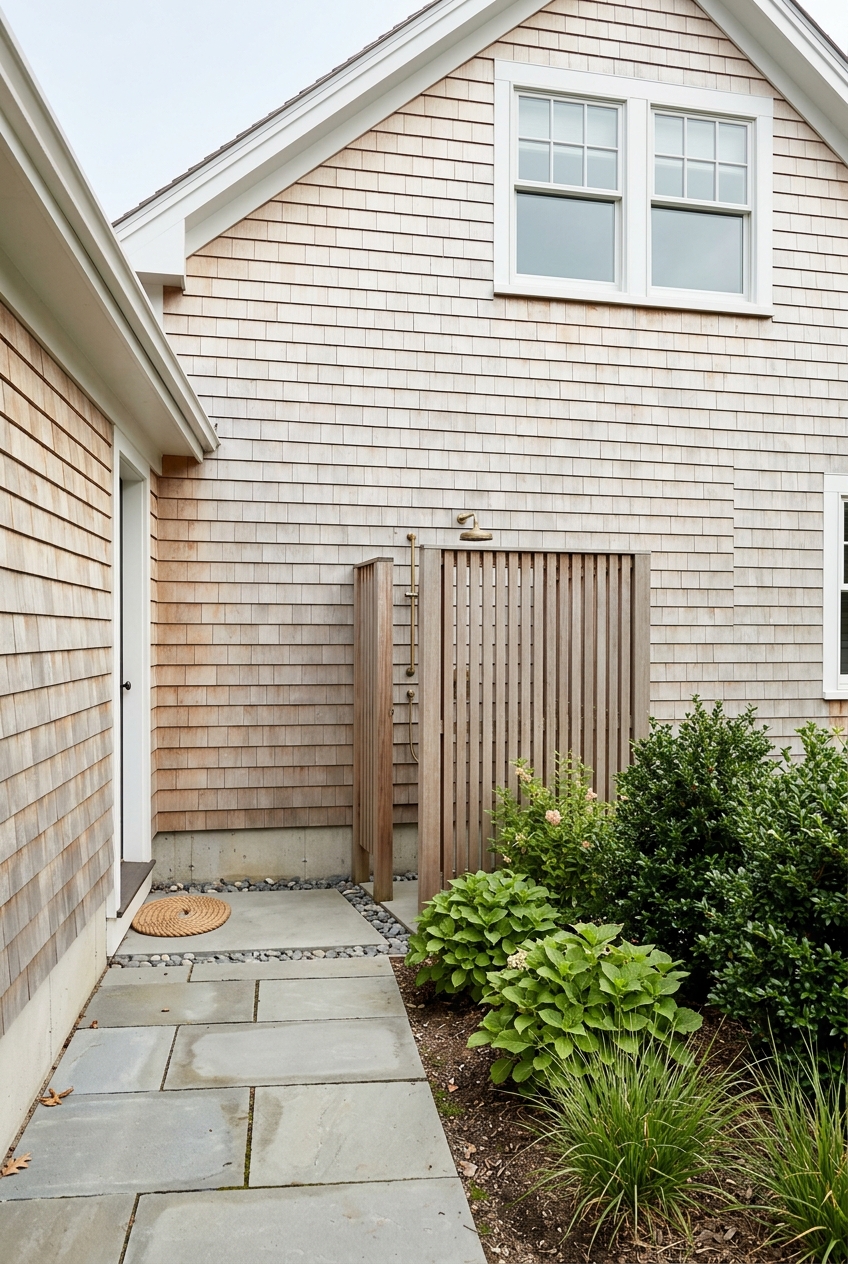
A clear-eyed guide to flood risk, erosion, insurance, and smart due diligence before buying a coastal home on the South Shore of Massachusetts.
Dreaming about salty air, water views, and easy access to the shoreline? South Shore coastal living can be beautiful and deeply rewarding, but it also comes with critical questions that matter long before closing day. If you are thinking about buying near the coast in towns like Hingham, Cohasset, Scituate, Norwell, Marshfield, Duxbury, or Plymouth, this guide will help you understand the tradeoffs, risks, and smart next steps so you can buy with clarity.
- Flood Risk is Paramount: Coastal homes face specific hazards like storm surge and erosion; always verify the FEMA flood zone status.
- Insurance Nuances: Standard homeowners insurance typically excludes flood damage; separate NFIP or private policies are often necessary.
- Site Over Style: While Cape Cod and Shingle-style homes are iconic to the region, the stability of the lot and shoreline is more important for long-term value.
- Regulatory Awareness: Coastal landscaping and shoreline structures are heavily regulated in Massachusetts to protect the natural ecosystem.
Understanding the South Shore Coastal Experience
On the South Shore, coastal living is not a monolithic experience. The region includes diverse communities served by the Massachusetts Coastal Zone Management (CZM) office, including Hingham, Hull, Cohasset, Scituate, Norwell, Marshfield, Pembroke, Duxbury, Kingston, and Plymouth.
In these areas, the shoreline is a patchwork of sandy beaches, rocky bluffs, boat ramps, and public landings. This variety means two homes in the same town can offer vastly different lifestyles. One property may provide easy harbor access for boating, while another offers breathtaking Atlantic views but comes with increased exposure to high winds and salt spray.
When weighing a purchase, it is essential to balance the emotional draw of the water against the practicalities of storm exposure, drainage management, and property-specific conservation regulations.
The Seasonal Rhythm of Shoreline Living
Living on the coast follows a distinct seasonal cycle. Summer months center on recreation, from boating in Duxbury Bay to beach days in Scituate. However, the colder months shift the focus toward property resilience. Massachusetts has documented significant shoreline erosion and flooding in South Shore communities during winter Northeasters.
Potential buyers should investigate how a property performs during a "King Tide" or a winter storm, rather than relying solely on a sunny summer showing. Year-round performance is the true measure of a coastal home's value.
Assessing Flood Risk: Beyond the View
For coastal homes, flood risk is a core financial consideration. According to FEMA (Federal Emergency Management Agency), coastal areas are susceptible to storm surges, wave action, and rapid erosion. FEMA flood maps identify Special Flood Hazard Areas (SFHAs) where there is a 1% annual chance of flooding.
The 30-Year Risk Profile
FEMA statistics indicate that properties in high-risk zones have at least a 26% chance of experiencing a flood over the life of a typical 30-year mortgage. This is why flood-zone status should be discovered during the initial research phase, not during the final days of a home inspection.
Mapping the Danger Zones
Flood risk is not exclusive to beachfront "front-row" homes. The Massachusetts Sea Level Rise and Coastal Flood Viewer tracks risk layers for zones such as:
- Zone VE: High-risk coastal areas with additional hazards due to storm-induced velocity (wave action).
- Zone AE: Areas subject to inundation by the 1-percent-annual-chance flood event.
- 0.2% Annual-Chance Layer: Often referred to as the 500-year floodplain, providing a broader view of potential risk even for homes set back from the shoreline.
Navigating Coastal Insurance Requirements
A common misconception among new buyers is that standard insurance covers all water damage. The Massachusetts Office of Consumer Affairs and Business Regulation (OCABR) clarifies that standard homeowners, renters, and condo policies typically exclude flood damage.
While Massachusetts law does not universally mandate flood insurance, FEMA requires it for homes in high-risk areas secured by government-backed mortgages. Key insurance facts to remember include:
- The 30-Day Waiting Period: Most National Flood Insurance Program (NFIP) policies require a 30-day lead time before coverage becomes effective.
- Private Options: Massachusetts officials note that private flood insurance may offer higher coverage limits or more flexibility than federal policies.
- Lender Requirements: Even if a home is in a "moderate" risk zone, a lender may still require coverage as a condition of the loan.
Site Conditions: Why the Land Outweighs the Architecture
South Shore architecture is defined by classic New England styles. You will find the iconic Cape Cod (one-and-a-half-story homes with steep gables) and the Shingle Style (classic seaside resort architecture). While these styles offer immense charm, the underlying topography is what determines the home’s longevity.
Massachusetts coastal authorities emphasize that erosion is a natural, ongoing process. Development located on unstable bluffs or low-lying areas is particularly vulnerable. When evaluating a property, the primary question should be: "How has this specific site evolved over the last 20 years, and how will it hold up over the next 20?"
Restrictions on Shoreline Armoring
Buyers often assume they can simply build a sea wall to protect their investment. However, Woods Hole Sea Grant guidance notes that Massachusetts generally prohibits new "hard" structures like seawalls, bulkheads, or revetments on beaches and dunes to protect the natural movement of sediment.
Coastal Landscaping as a Protective Buffer
On the South Shore, landscaping serves a functional purpose beyond curb appeal. State guidance suggests that "soft" solutions—such as planting native salt-tolerant trees, shrubs, and deep-rooted grasses—are the most effective ways to stabilize banks and filter runoff.
It is important to note that many coastal towns (such as Cohasset or Marshfield) have local Conservation Commissions that restrict mowing, fertilizer use, and the removal of vegetation near the water’s edge. Always check local bylaws before planning a backyard renovation.
Essential Due Diligence Checklist
Before making an offer on a South Shore coastal property, work with your real estate professional to gather the following:
- Elevation Certificate: To determine the exact height of the lowest floor relative to the base flood elevation.
- Flood and Erosion History: Documentation of past claims or visible land loss.
- Permitting Records: Verification that any decks, docks, or shoreline work were legally permitted.
- Deeded Rights: Specific language regarding beach access, "right to pass," or shared stairways.
- HOA/Conservation Rules: Restrictions that may limit your ability to modify the exterior or landscaping.
Long-Term Planning and Budgeting
The cost of coastal ownership extends beyond the mortgage. Owners should budget for increased exterior maintenance due to salt air corrosion and the potential need for future adaptation. In extreme cases, if a structure is threatened by erosion, state guidance warns that owners may be required to relocate or dismantle the building if it becomes a public hazard.
Working with an attorney who specializes in Massachusetts real estate is highly recommended. As the Massachusetts Home Buying Guide notes, an attorney can provide a critical review of the Purchase and Sale agreement, ensuring your rights regarding coastal access and land use are fully protected.
Frequently Asked Questions
What is the most important document to review when buying a coastal home?
The Elevation Certificate is a critical document because it determines your flood insurance rates and provides the exact height of your home relative to the expected flood levels in your area. This certificate helps both lenders and insurers assess the true risk of the property.
Can I build a seawall to protect my South Shore property?
In most cases, Massachusetts regulations prohibit the construction of new "hard" coastal engineering structures like seawalls or revetments on coastal dunes and beaches. Instead, the state encourages "soft" solutions like beach nourishment or planting native vegetation to manage erosion naturally.
How do "deeded beach rights" work in Massachusetts?
In Massachusetts, private property often extends to the low-water mark, but many deeds include specific easements or "rights of way" that allow neighbors to access the water. It is vital to have a title search confirm exactly what rights you own and what rights you must grant to the public or neighbors.
How does salt air affect the maintenance of a home?
Coastal homes require more frequent maintenance of exterior surfaces due to "salt spray," which can corrode metal hardware, peel paint, and damage certain types of wood. Expect to power wash the exterior more often and use high-grade, marine-quality materials for any outdoor renovations.
Keep the momentum going
Explore Resources & Guides: Planning a day out with three generations in tow? That's my specialty. Grab the free Multi-Generational Living Guide for support navigating life together, at every stage. Plus more guides, checklists, and tools for your next move. juliford.com/multi-gen.
Workshops & Events: Join live workshops and events on real estate, multi-generational living, and agent growth. juliford.com/events.
Book a Strategy Session: Let's map out a plan that fits your family and your timeline. juliford.com/consulting.

About the Author
Juli FordFounder of Home After 50 · CSA · Licensed Real Estate Broker
Juli Ford is the founder of Home After 50, a nationally recognized multigenerational living expert, real estate broker, and Certified Senior Advisor® helping women and families reimagine home and life in the next chapter, together.
As featured in The New York Times, Newsweek, Business Insider and Fox & Friends.
Read More Blogs
Related Articles

Home After 50 | Multi-Gen Living
5 Money Talks Every Multigenerational Home Should Have Before the Holidays (Ranked Easiest to Hardest)

Home After 50 | Multi-Gen Living
Will Your Home Equity Pay For In-Home Care? What a New Study Found

Multigenerational Homes